

Vegetable Capsules: Everything You Need to Know Before Choosing Your Next Supplement
Vegetable Capsules: Everything You Need to Know Before Choosing Your Next Supplement
If you've ever picked up a bottle of supplements and checked the label, you may have noticed that some are marked as “vegetable capsules” rather than the more traditional gelatin. But what does that mean? And why are vegetable capsules becoming so popular? As more people turn to plant-based and sustainable options, veggie caps have emerged as a go-to choice for health-conscious consumers, providing a natural, eco-friendly way to take supplements. In this guide, we’ll cover what makes vegetable capsules different, why they might be a better choice, and how to know if they’re right for you.
What Exactly Are Vegetable Capsules?
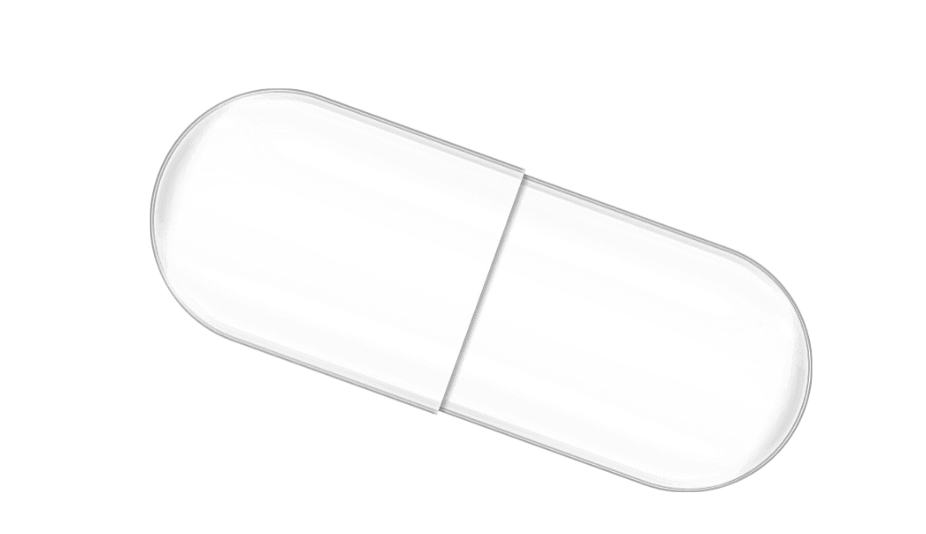
Vegetable capsules, or “veggie caps,” are plant-based alternatives to gelatin capsules, which are typically made from animal collagen. Unlike gelatin, vegetable capsules are derived from plant sources like cellulose (specifically hypromellose, sourced from pine or poplar trees), pullulan (from fermented tapioca), or even starch. The result is a capsule that’s completely free of animal products, making it ideal for those following vegan or vegetarian diets—or anyone looking to reduce animal-based ingredients in their lifestyle.
Why Choose Vegetable Capsules? Key Benefits to Know One of the biggest advantages of vegetable capsules is that they’re compatible with various dietary preferences. Since they’re free of animal products, they’re naturally suitable for vegetarians and vegans, and for people with dietary restrictions related to religious or personal beliefs. Additionally, they’re odorless and tasteless, making them more pleasant to consume than some traditional capsules. Here are some of the top benefits:
Allergy-Friendly: People with common allergies often find veggie capsules easier to tolerate since they lack common allergens like gluten or dairy.
Versatility in Use: Vegetable capsules work well with various ingredients, from herbal extracts to probiotics, without altering their potency.
Better Heat Stability: Since vegetable capsules are often more heat-resistant, they’re ideal for ingredients sensitive to high temperatures, ensuring better retention of potency and efficacy.
How Are Vegetable Capsules Made? The process of creating vegetable capsules is as innovative as it is eco-friendly. Typically, manufacturers use plant cellulose or tapioca, extracting and refining these ingredients to create a clear, smooth capsule. One popular type, pullulan, is derived from fermented tapioca and is known for its transparency and natural origin. The production process generally has a smaller environmental footprint than gelatin, making veggie caps an appealing choice for those concerned about sustainability.
Vegetable Capsules vs. Gelatin Capsules: Which Is Better? When deciding between vegetable and gelatin capsules, it helps to consider a few key differences:
Sourcing:
Gelatin comes from animal by-products, often from cows or pigs, while vegetable capsules rely on renewable plant sources.
Bioavailability:
Both types are effective at delivering nutrients, but vegetable capsules are believed to dissolve more evenly in the stomach, which can aid in nutrient absorption.
Shelf Stability:
Vegetable capsules tend to have a longer shelf life since they’re less prone to melting or becoming sticky in warm conditions.
Cost:
While veggie caps are generally a bit more expensive, many see this as a worthwhile trade-off for the added benefits and ethical considerations.
Ultimately, vegetable capsules offer a better choice for those looking to avoid animal products, prioritize sustainability, or simply choose a more stable option for their supplements.
Are Vegetable Capsules Safe? Vegetable capsules are widely recognized as safe by regulatory bodies like the FDA, and they’re often marked with the Generally Recognized as Safe (GRAS) designation. This means that they’re suitable for long-term use as part of daily supplementation. However, they should still be stored in a cool, dry place to prevent them from becoming brittle or losing shape over time. As with any supplement, checking the expiration date and purchasing from reputable brands helps ensure quality.
Quick Tips for Choosing the Right Vegetable Capsules When looking for high-quality veggie capsules, keep these tips in mind:
Look for Certifications: Brands with third-party certifications like “Non-GMO,” “Certified Organic,” or “Vegan” labels are more likely to adhere to high-quality standards.
Verify Ingredients: Check the ingredient list for unnecessary fillers or preservatives; vegetable capsules should have minimal additives.
Research Brand Transparency: Reliable brands are transparent about their sourcing and manufacturing processes, so look for those with clear ingredient labeling and quality assurances.
SHARE
POST CATEGORY


SANTÉ AMBASSADORS
Big names. One trusted brand.
Coach Rio, Kuya Kim, Vice Ganda, and Vic Sotto, all believe in the power of Santé! From elite fitness to everyday wellness and celebrity lifestyles, they trust Santé's organic health products to fuel their lives. Join the movement trusted by icons and live more, do more with Santé!
Subscribe now.
Sign up for our newsletter to get the most interesting stories of the day straight to your inbox before everyone else.


Sante Partnership Program in Partnership with One Team International